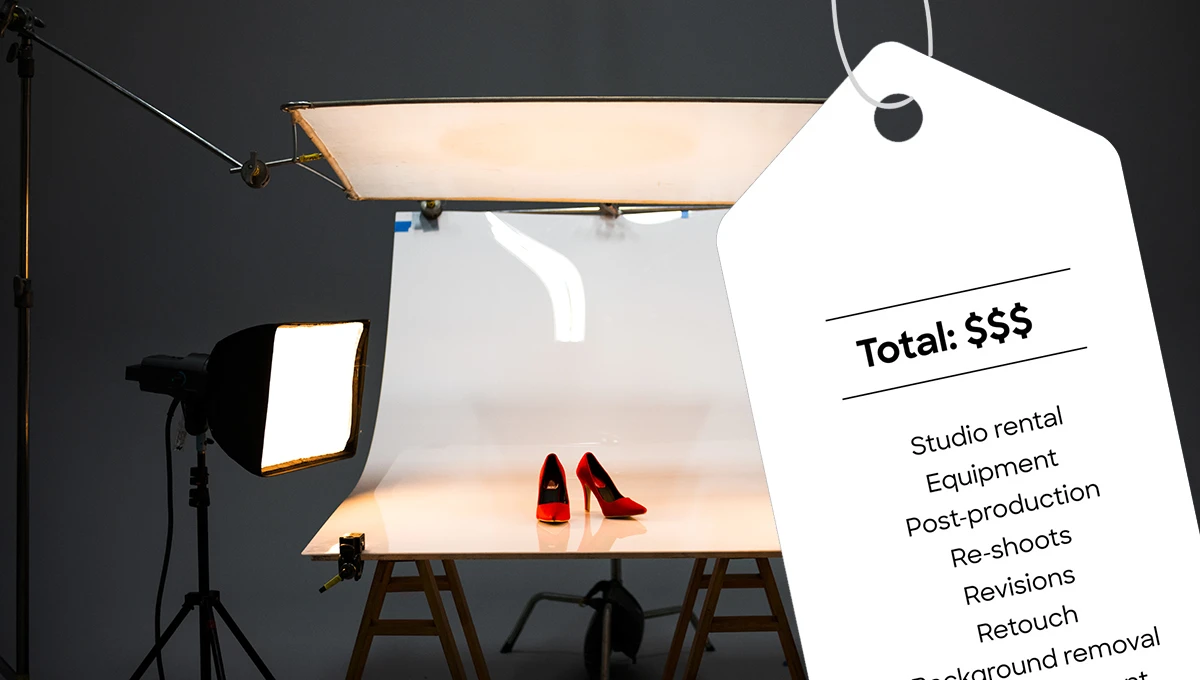
If you are an e-commerce business owner, you must be thinking about your product photography rates.
It confuses most of the business owners.
There is a good reason. It has no standardized pricing menu where you can look up costs for your specific needs. One photographer might quote you $50 per image while another asks for $200 for similar work.
This pricing confusion directly impacts the marketing budget and brand image. If you are thinking about launching your new product (clothing, jewelry, etc.), calculating the photography costs is crucial for making smart business decisions.
The stakes are higher than ever. With consumers making split-second decisions based on product images, poor photography can kill sales before customers even read your product descriptions. Meanwhile, investing too much in photography without understanding value can drain resources you need for other growth initiatives.
That’s why we break down the product photography cost in this blog to help e-commerce businesses. We’ll also explore emerging technologies that some brands are using to reduce photography costs by 30%-50% without sacrificing quality. Before that, I’m Mahfuz, and I’m the owner of Glossy Retouching. We work with product photographers and studios to manage their product photo editing.
Understanding Product Photography Pricing Models
Product photographers typically use three main pricing structures and each designed for different business needs and project types.
Hourly Rates ($150-$300)
This pricing model is best for smaller business owners. If you have a small number of products and need extensive styling, this model is perfect for you. Most professional product photographers charge between $150-$300 per hour. But sometimes rates vary significantly based on experience and location.
This model is perfect for jewelry business owners. Because they need jewelry images from multiple angles. Hourly pricing allows you to perfect each image without worrying about per-image costs.
The downside is less predictable final costs. A session that seems straightforward can extend beyond your budget if products require more styling than anticipated or if technical issues arise.
Per-Image Pricing ($50-$150)
This pricing model is popular among e-commerce businesses. Per-image pricing offers the most predictability for businesses. It’s easy to calculate how much you have to spend. This model typically ranges from $50-$150 per finished image, depending on complexity and the photographer’s expertise.
If you’re selling home goods that require similar lighting and styling, per-image pricing helps to budget accurately for your entire catalog.
However, this model can become expensive for products requiring extensive styling or multiple variations. A single product might need shots from six different angles, making your per-product cost significantly higher than expected.
Day Rates ($500-$3,000)
This pricing model is popular among large SKU companies. Day rates provide the best value for high-volume shoots. Professional photographers typically charge between $500-$3,000 per day.
Day rates offer the lowest per-image cost. It can efficiently organize and style 50-100 products for a single session or day. It’s convenient for large companies. Fashion brands often use this approach for seasonal collections, maximizing studio time to capture entire product lines.
The challenge lies in preparation and organization. You need products ready, styling decisions made, and shot lists prepared to maximize your day rate investment.
Key Factors That Drive Product Photography Rates
Product Complexity and Styling Requirements
Product complexity is the single biggest factor affecting photography costs. Simple products like basic t-shirts or simple electronics require minimal styling and straightforward lighting setups. Complex items like jewelry, reflective surfaces, or multi-component products demand specialized techniques, additional equipment, and significantly more time per shot.
If you need 360 photography services, then you need to increase the budget. Because this photography needs more shots than regular photography.
Jewelry photography costs 2-3 times more than basic product photography. Because it has technical requirements for capturing the reflection on the metal surface. Sometimes, each piece might need custom lighting setups. Also, it needs specialized macro lenses and extensive retouching work to achieve professional results.
Styling requirements dramatically impact costs as well. Basic catalog shots against white backgrounds cost less than lifestyle photography. Product lifestyle photography needs props, a creative background, and careful composition. If the products need to be shown in styled environments, then the rates will increase by 25%-50%.
Volume and Project Scope
Volume creates economies of scale in product photography. Shooting 100 products costs significantly less per image than shooting 10 products because fixed costs like studio setup, lighting, and equipment are distributed across more shots.
Many photographers offer tiered pricing that rewards larger orders. You might pay $75 per image for orders under 25 products but only $45 per image for orders over 100 products. This pricing structure reflects the efficiency gained from batch processing similar products.
Seasonal campaigns require special consideration. If you need holiday product photography completed by a specific deadline, expect to pay premium rates for priority scheduling and faster turnaround times.
Geographic Location and Market Rates
Location significantly affects product photography rates. Major metropolitan areas like New York, Los Angeles, and San Francisco typically command premium prices due to higher overhead costs and increased demand for commercial photography services.
In these markets, experienced commercial product photographers might charge $200-$300 per hour compared to $100-$150 per hour in smaller cities. However, higher rates often correlate with greater expertise, better equipment, and more sophisticated studio facilities.
Remote work options are changing this dynamic. Some photographers now offer services where you ship products to their location, potentially accessing higher-quality services at lower rates than your local market provides. Factor in shipping costs and timing when considering remote photographers.
Photographer Experience and Specialization
Experience levels create dramatic pricing differences in product photography. Amateur photographers might charge $25-$50 per image, while established professionals command $100-$250 per image for similar work.
This price difference reflects more than just experience. Professional photographers invest in high-end equipment (camera, lenses, etc.), maintain professional studios, carry business insurance, and have developed efficient workflows that deliver consistent results. They also understand commercial photography requirements like proper color management and file preparation for various uses.
Industry specialization commands premium pricing. Food photographers, jewelry specialists, and fashion photographers develop techniques and equipment specific to their niches. Their expertise can mean the difference between images that sell products and images that fail to convert browsers into buyers.
Hidden Costs and Additional Expenses
Product photography needs a specialized photo studio. When the photographers quote the fees, they aren’t always adding the studio rental fees. We work with a jewelry photographer from the UK. She’s always charging studio rental fees separately. Because she needs specialized lighting for a jewelry photoshoot. Usually, studio rental costs around $200-$500 per day.
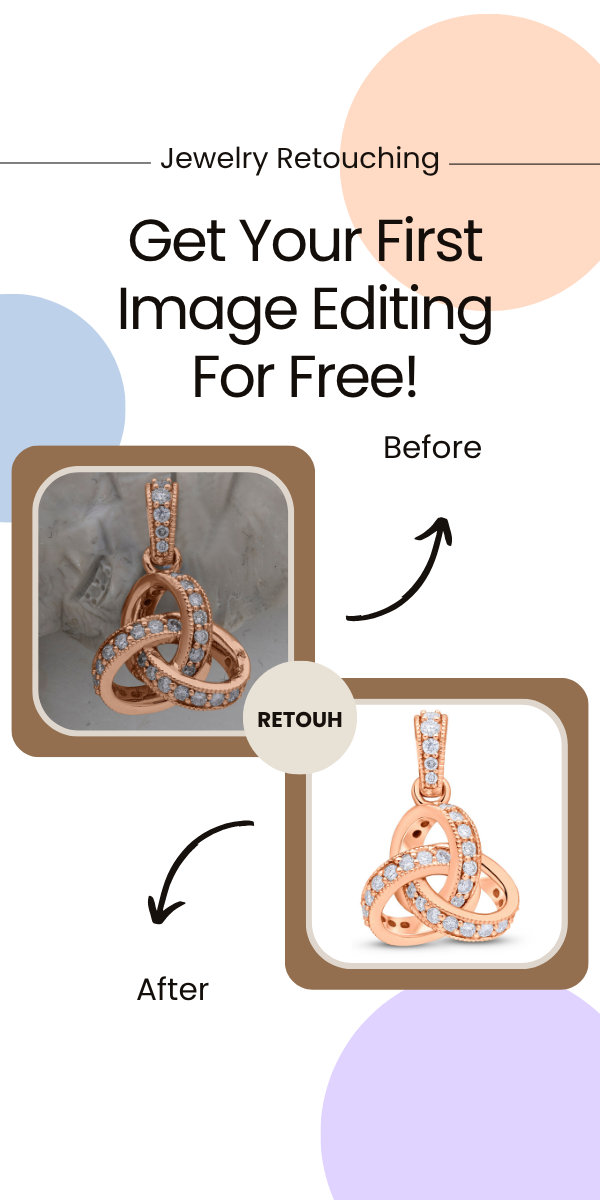
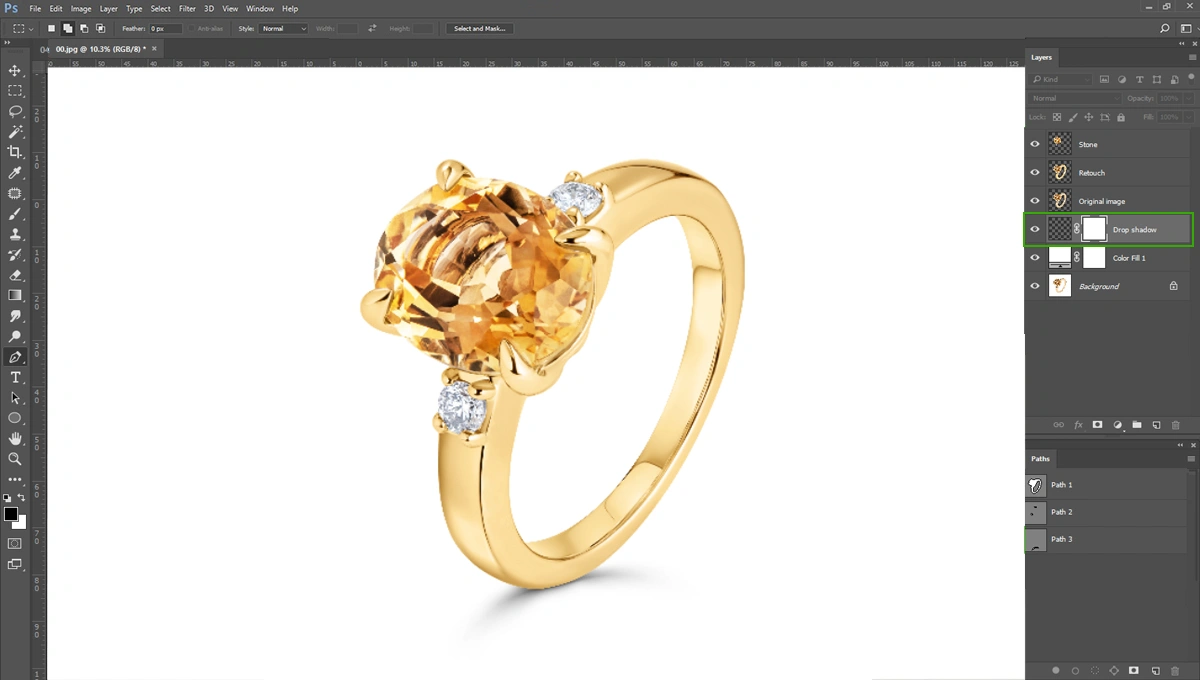
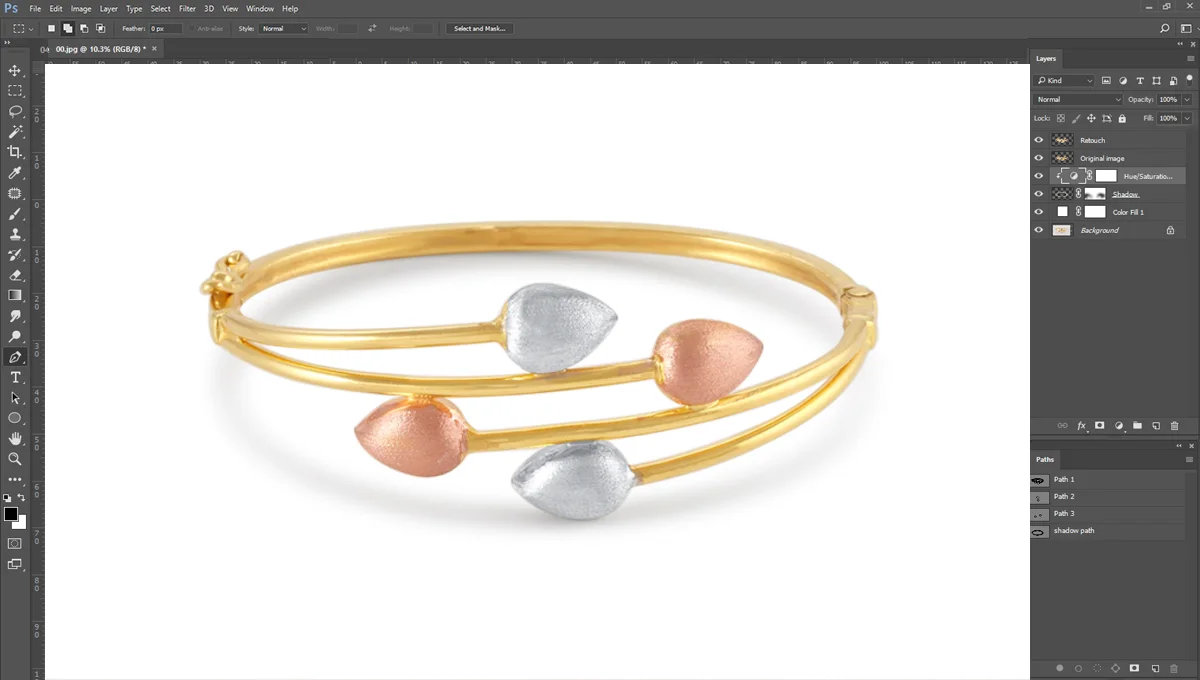
Post-production and retouching represent significant additional expenses. Basic color correction and background removal might be included in base rates, but advanced retouching (high polish jewelry retouching), shadow creation, or extensive editing add $8-$50 per image to final costs. For example, we charge for jewelry is retouching is 3$ per image.
Usage rights and licensing considerations affect long-term costs. Some photographers retain rights to images and charge additional fees for extended usage periods or different applications. Ensure your contract includes appropriate usage rights for your business needs.
Reshoot fees apply when initial results don’t meet expectations due to miscommunication or changing requirements. Clear communication about expectations and detailed shot lists helps avoid these additional expenses.
Average Product Photography Rates by Category
E-commerce Brands
Basic catalog photography for e-commerce (clothing, jewelry, accessories, etc.) typically costs $15-$50 per finished image. This includes clean product shots against white backgrounds with basic color correction and background removal. These images work well for marketplace listings and basic product pages.
Improved product shots with multiple angles, detail shots, or simple lifestyle elements range from $15-$99 per image. This level includes more sophisticated lighting, additional post-production work, and higher resolution files suitable for print and digital use.
Lifestyle and model photography for e-commerce brands ranges from $100-$500+ per image, depending on model fees, location costs, and styling requirements. These images showcase products in use and help customers visualize ownership experiences.
Jewelry and Luxury Goods
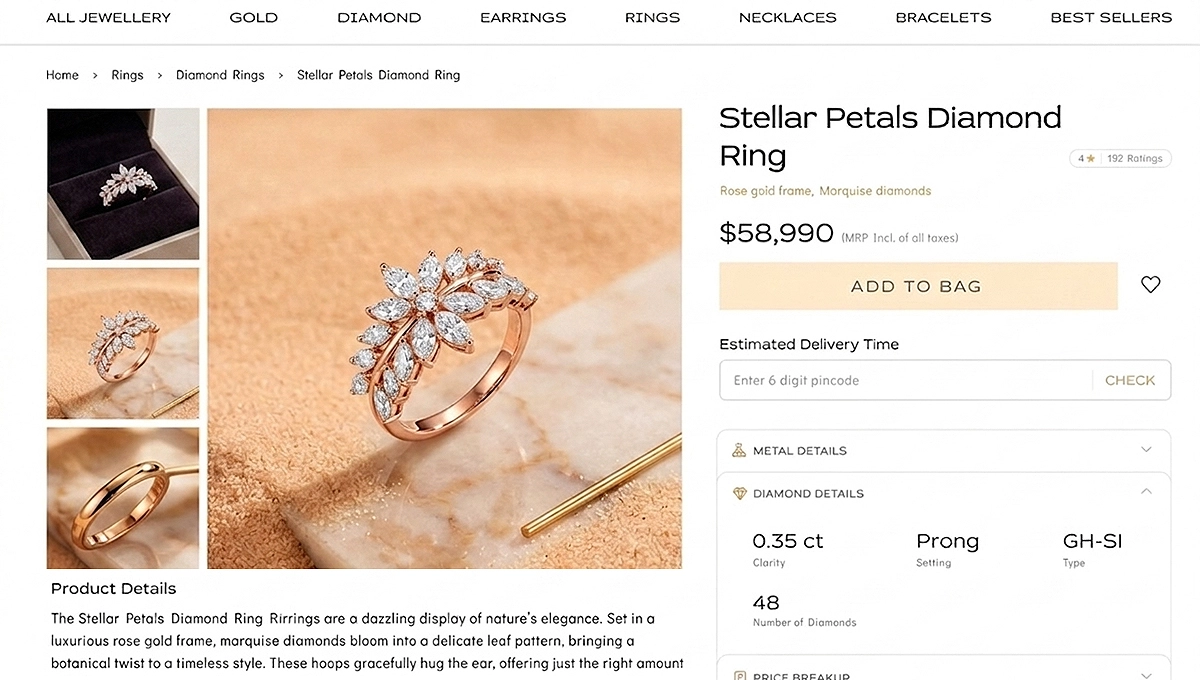
Jewelry photography changes premium rates due to technical complexity. Expect to pay $75-$250 per image for professional jewelry photography that properly handles reflective surfaces and captures fine details.
The technical requirements for photographing reflective surfaces require specialized lighting equipment, macro lenses, and extensive post-production skills. Many jewelry photographers use focus stacking techniques. It’s a technique that combines multiple images to achieve sharp focus throughout the entire piece.
Luxury goods photography follows similar premium pricing because brand positioning requires flawless execution. These products can’t afford amateur-looking photography that undermines perceived value.
Fashion and Apparel
Ghost mannequin photography for apparel typically costs $15-$75 per product. This technique creates the illusion of an invisible model wearing the garment, showing fit and shape without the expense of hiring models.
Model photography for fashion ranges from $150-$500+ per image, including model fees, makeup, styling, and location costs. These rates vary significantly based on model experience, shoot complexity, and final image usage requirements.
Flat lay photography offers a cost-effective alternative for certain apparel types, typically costing $15-$60 per image. This style works particularly well for accessories, casual wear, and items that photograph well when arranged artistically on flat surfaces.
Smart Negotiation Strategies With The Photographer
Every e-commerce business owner wants to reduce their product photography cost. That’s why they negotiate with the photographer. Successful negotiation starts before you contact photographers. Research photography rates in the local area and gather reference photos before requesting quotes.
Ask specific questions about what’s included in quoted rates. Does the price include basic retouching? How many angles or shots per product? What file formats will you receive? Are usage rights included for all your business needs?
Be careful with the fees that seem too good to you. Extremely low pricing often indicates inexperience, outdated equipment, or hidden costs that emerge later. Remember that poor photography can cost more in lost sales than the difference between cheap and professional rates.
Build relationships with photographers for better long-term rates. Photographers prefer working with repeat clients and often offer discounted rates for ongoing relationships. Most of our product photographer clients give an extra discount to their long-term customers. Consistent work allows photographers to understand your needs and deliver results more efficiently.
Make a contract with the photographer when you choose to work. Contract considerations should address delivery timelines, revision policies, usage rights, and what happens if results don’t meet expectations. Clear contracts protect both parties and prevent misunderstandings that can damage business relationships.
Alternative Solution For Expensive Photography
If you don’t have much product, then you can go with the DIY (Do It Yourself) method. DIY product photography setups can work for simple products and tight budgets. Basic setups costing $200-$500 can produce acceptable results for straightforward items against white backgrounds. However, DIY approaches require significant time investment and learning curves that may not justify the cost savings for many businesses.
AI-powered product photography solutions are revolutionizing the photography industry. These platforms can generate professional-looking product images, create lifestyle shots, and even add models wearing the products without traditional photo shoots. Some solutions are already delivering impressive results at a fraction of traditional costs.
Hybrid approaches combining traditional photography with digital enhancement offer interesting middle-ground solutions. You might shoot basic product shots traditionally, then use AI tools to create lifestyle variations or different background settings from those base images.
Major brands (Nike, Zara, etc.) are already adopting these technologies. Some providers claim their AI solutions save clients up to 80% or more on traditional product photography expenses.
Determine when to invest in traditional photography versus exploring alternatives based on your specific needs. Traditional photography still excels for complex products, premium brands requiring absolute perfection, and situations where you need complete creative control over every aspect of the final image.
Making Smart Investment Decisions
Product photography rates depend on multiple interconnected factors (project complexity, photographer expertise, geographic location, etc.). Understanding these relationships helps you budget accurately and compare quotes fairly across different service providers.
Remember that the cheapest option isn’t always the best value. Poor photography can cost significantly more in lost sales than the difference between budget and professional rates. Consider the total return on investment rather than just upfront costs when making photography decisions.
The photography industry continues to evolve rapidly with new technologies and approaches emerging regularly. Stay informed about new options while building relationships with reliable photographers who understand your business needs and can deliver consistent results that drive sales and enhance your brand image.
For personalized guidance on product photography rates and photo editing solutions tailored to your specific business needs, contact our team for a consultation. We can help you navigate pricing options, evaluate different approaches, and develop a photography strategy that maximizes your investment while delivering the professional results your brand deserves.