
Brands are not looking for traditional white background product photos for their website and social media. They are moving away from standard white background studios. They need more authentic photos for their product. They wanted to connect with their customers and audiences on a more personal level.
If you are thinking of starting product photography, this is the right time to start lifestyle product photography. This shift represents a massive opportunity to expand the photography career and attract high-paying clients.
I’ll guide you through everything you need to know about this growing niche. I’ll define the practice, highlight the benefits and challenges, and provide actionable tips.
If you have never tried this type of photography before, this blog can help you a lot. You’ll understand everything. But before that, there is one question poke in mind: what is lifestyle product photography?
What is Lifestyle Product Photography?
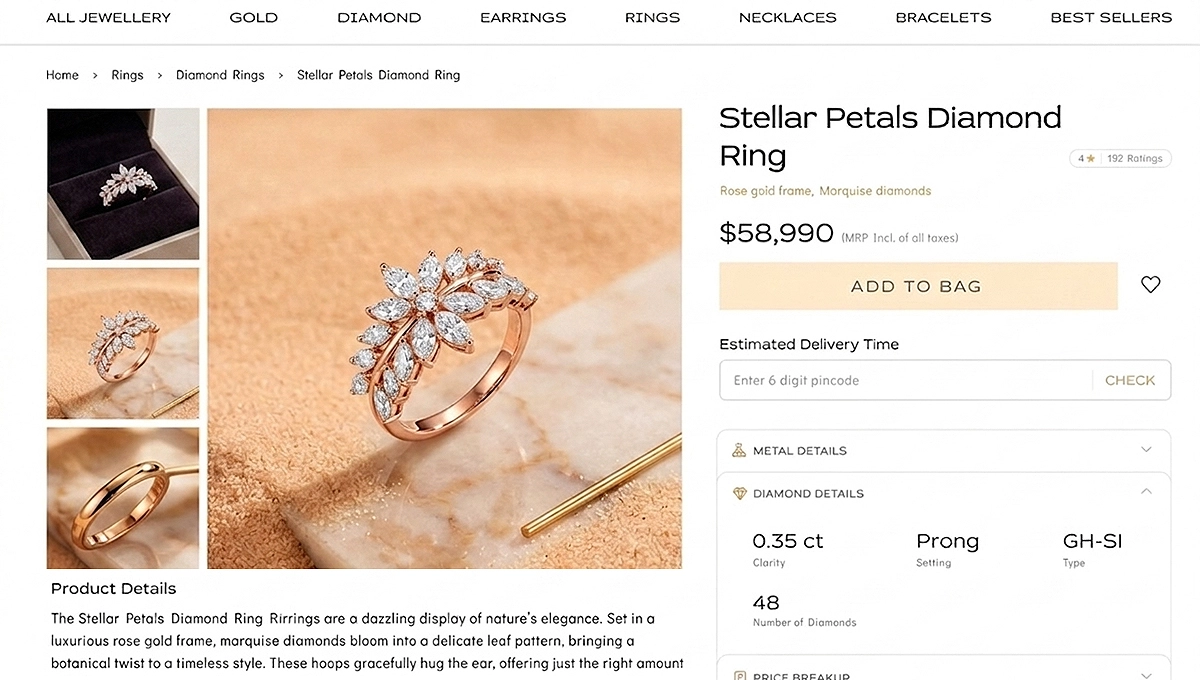
Lifestyle photography is the art of capturing an item in a curated and real-life scenario. I can say that more easily that, showing the product exactly how it fits into their daily routine. Regular e-commerce photography focuses on the product in a pure white background. But in lifestyle photography, it emphasizes storytelling and context.

Let’s understand with an example- A coffee mug resting on a rusting wooden table next to an open book evokes warmth, comfort, and an inviting morning routine. But in e-commerce photography, the same mug shoot is done in a plain white background to simply show its shape and color.
But certain products (clothing, shoes, bags, etc.) need solid white background shoots. Because of these products need to show the shape, color, design, style, etc. Mostly Home Goods, Interior Décor, and Food and Beverage products need this type of photography.
Here’s a compression table for better understanding this-
|
Traditional E-commerce Photography |
Lifestyle Photography |
|
|
|
|
|
|
|
|
|
|
|
|
The Benefits of Lifestyle Product Photography
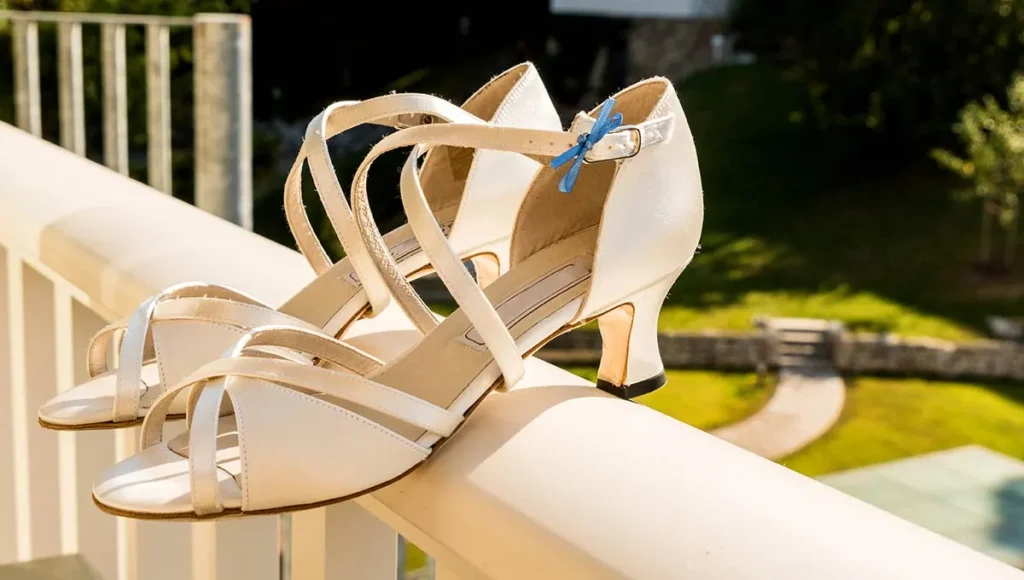
There are many benefits of this photography style. The most amazing benefit of this type of shoot is storytelling. A strong brand needs storytelling of its product for social media. They wanted to sell the product through storytelling. That’s why they are focusing more on UGC (User Generated Content). A study shows that-
The websites featuring UGC see a 90% increase in time spent on the site
Here are some wonderful benefits of lifestyle product photography-
- Authentic presentation: Social media are saturated with highly filtered and “perfect” product images. People are craving for real life shoots. Lifestyle shots can capture the product in real life environment.
- Emotional Storytelling: Every lifestyle product photo has a narrative. Instead of just “here is a person,” the image says “here is a moment.” For example, a favorite coffee shop or your own living room.
- Buying Decision: Customers want to see the products in action before they buy. Through lifestyle photography, it’s easy to capture the product story more dynamically. According to Business Research Insights, 60% of internet customers make their buying decision mainly influenced by visual appeal.
- Digital Storefront: Static e-commerce online stores can feel cold and robotic. Lifestyle photography acts as the digital sales machine. Through lifestyle photography, customers can see the product in a real home or on a real person. It removes the fake product anxiety.
- Higher Ad Performance: Digital ad platforms like Meta, TikTok, and Google always favor images that look like native content. That’s why lifestyle photography earns a higher CTR (Click Through Rate), which can lower the CAC (Cost Per Acquisition).
How You Can Start Lifestyle Photography
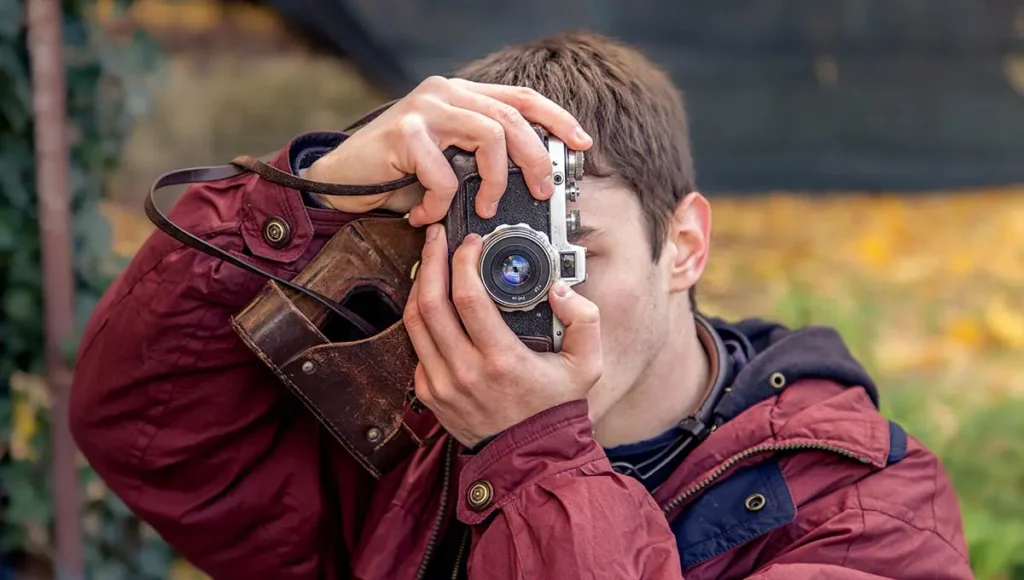
If you are ready to start your journey into lifestyle photography, start with a small portfolio (like a coffee mug or a favorite pair of shoes). Try to focus on storytelling. Show not only the product but a mood or moment that can match with the product. Here are 4 simple steps to start your lifestyle photography-
- Equipment: Before everything, you definitely need a camera to shoot. Nowadays, cameras have improved a lot, and the price is much more affordable. If you have a tight budget, you can start with a smartphone (iPhone 15+, Samsung S24+, etc.). And then you need a lens and lighting. These are also affordable now. And the last thing you need “Prop Box”. This equipment is crucial for lifestyle photography.
- Practice, Practice, and Practice: Yes, you need to practice for better results. Start practice with natural light. Shoot the near windows or outside golden hours to get comfortable with soft, flattering illumination. Experiment with simple props that help set the scene, but remember: the product should always be the hero.
- Connect with Local Brands: Start connecting with local e-commerce owners or small brands. Offer them some test images in exchange for testimonials or social media shoutouts. This can help you to gain real-life experience and build relationships in the lifestyle photography industry.
- Promoting: Finally, after capturing some test images and working with some small brands, you can build a website or portfolio with your test images (if the brand’s owner doesn’t have any issue sharing the images). Try to include a range of scenarios and products to demonstrate your versatility. After that, start structuring packages and pricing for lifestyle sessions so you can seamlessly market this new service to both existing and future clients.
Lifestyle Photography Tips and Tricks
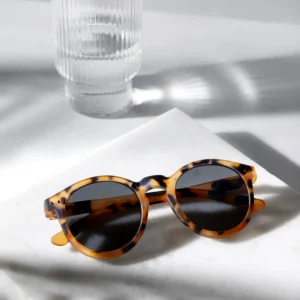
If you want to succeed in this industry, you need thoughtful preparation. If you fail to capture high-quality, professional results, it can negatively impact a brand’s reputation and lead to poor social media engagement. Don’t worry, I’m going to show you some sample tips that can improve your shoot.
- Understand the Brand’s Needs: Always analyze the brand’s requirements and its target audience. After getting this information, plan the shoot with creative direction. For example, A luxury skincare brand requires a completely different aesthetic than a rugged outdoor gear company.
- Lighting Technique: Try to learn the mixed lighting system. Try to match natural light with artificial strobes. This can help maintain the product’s authenticity and everyday look. Keep in mind that the product should be perfectly illuminated.
- Style with Purpose: Select the props that can complement the main product. Please try to avoid items that can steal the focus or clutter the frame. For example, High-Gloss or “Mirror” surfaces, or if the product is a laptop bag, there’s a giant, visible Apple logo on the laptop or a Starbucks logo on the cup, the viewer’s eye goes to the famous logo first.
- Mood Board: Assemble visual references for every shoot. This ensures your creative product photography vision aligns perfectly with the client’s expectations before you even pick up the camera.
The Challenges of Lifestyle Product Photography
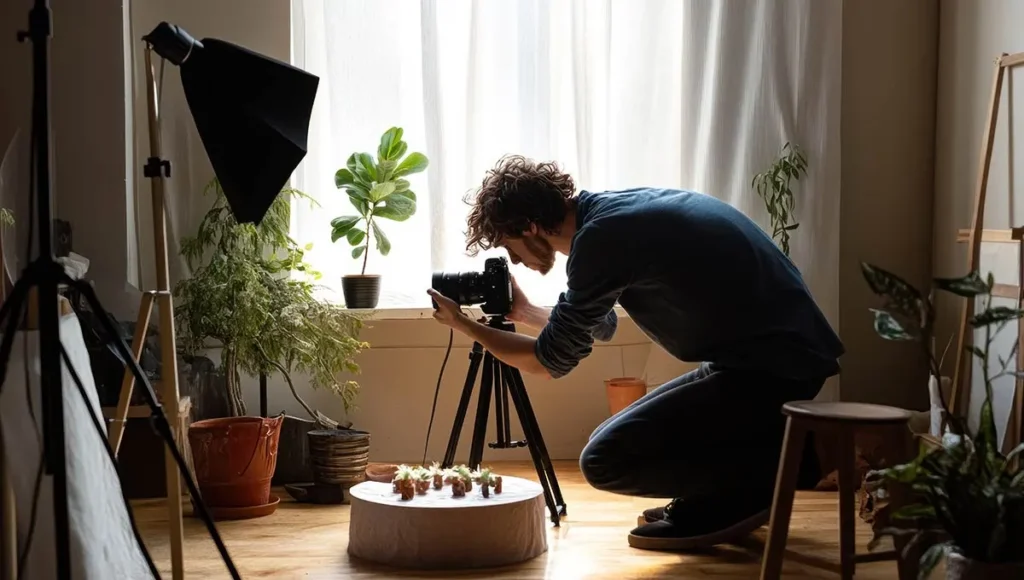
After taking so much preparation, sometimes it can be challenging to do lifestyle photography. Don’t be scared, these challenges can be overcome. You just need extra precaution. Here are some challenges you can face in your everyday shoots-
- Outdoor photoshoot can bring a unique set of hurdles. Sourcing the right props, hiring reliable models, and finding the right location to shoot can be significant time and effort. If you have prepared with good planning, you can easily avoid these challenges.
- In outdoor photoshoot it’s difficult to balance the product with the environment. The background must enhance the item being sold, never overshadow it.
- Logistics are nightmares during on-location shoots. Shipping the product to the location and after the shoot returning it to the brand’s owner is hassle. You can easily solve this problem with a reliable logistics service that offers end-to-end solutions, including secure product transport to and from the shoot location.
- Weather change can be another challenge for photographers, as sudden shifts can disrupt planned shoots, affect lighting conditions, and require quick adjustments to equipment or technique. To handle weather challenges, stay prepared with weatherproof gear, monitor forecasts, and adapt your shooting style to embrace the conditions creatively.
- Another challenge for the photographer is battery drain. In cold weather battery lose power faster and it’s difficult to use it long periods of time. For the solution, please try to keep spare batteries to use. Another solution is, when not taking photos, store the camera in a warm place or in an insulated bag to prevent the battery from being exposed to cold air for too long.
Trending Lifestyle Product Photography Styles in 2026
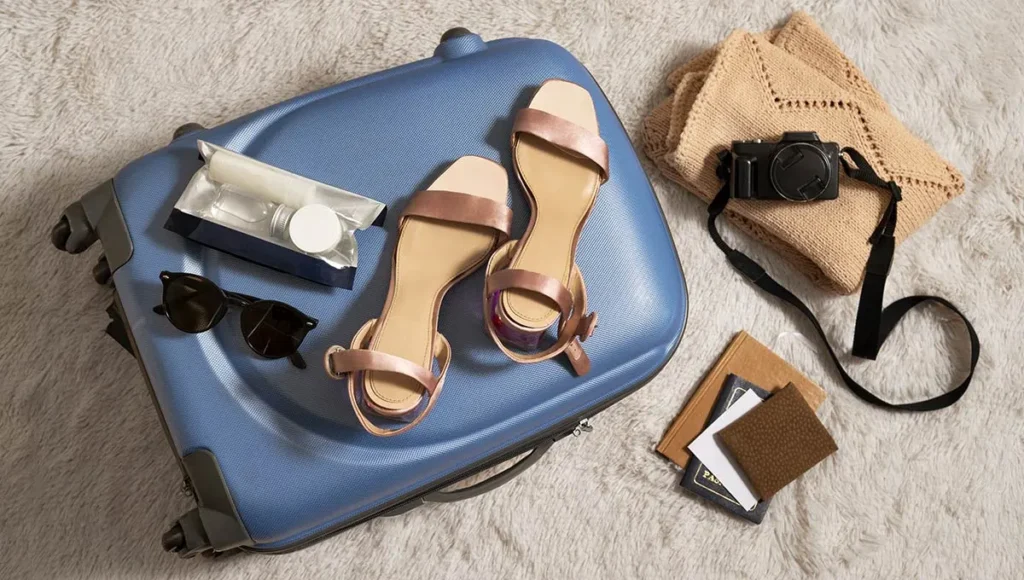
Every year lifestyle photography style is changing. In 2026, the landscape is louder than ever. It has taken a fascinating turn. Because of AI-generated images and editing. AI has improved a lot this year. It’s hard to define which one is the original image and which is AI-generated. But still, brands prefer the original photoshoot. Here are some of the trends I’m seeing in 2026-
- Human Touch: The biggest shift I’ve seen in 2026 is the rejection of the flawless. For years, photographers have been chasing clean, aesthetic, soft lighting product images. But this year, photographers are focusing on authenticity. For example, showing a product in a messy environment, like a skincare bottle next to a half-eaten piece of toast.
- Cinematic Storytelling: Photographers are now creating mini-movies in a single frame instead of a single product shot. They are investing their time to create dreamscapes. For example, color-drenching (where the product and the room are the exact same shade) creates a surreal, high-fashion vibe that stops the scroll instantly.
- Can you feel this: As e-commerce moves further into immersive spaces, photography has had to work harder to replace the sense of touch. Hyper-Tactile photography is all about the “texture check.” We’re seeing extreme close-ups that highlight the weave of a linen shirt, the cold condensation on a glass, or the “squish” of a foam sole.
Quick Guide: 2026 Visual Checklist
If you’re planning a shoot this season, keep these three pillars in mind:
- Movement: Even in still shots, imply action. A splash of water, a blur of a hand, or a floating object adds a “living” energy.
- Narrative Props: Use objects that tell a story. Don’t just use a “pretty” plant; use a prop that symbolizes the product’s purpose.
- Film Grain over Filter: Ditch the heavy digital filters. Opt for organic grain and “warm” imperfections that mimic vintage 35mm film.
Lifestyle Product Photography Pricing System
One of the important parts of the lifestyle photography business is a structured pricing system. In the pricing structure, everything should be included, like pre-production (prop sourcing, location scouting, and talent booking) to post-production (retouching). You can easily charge a simple per-image rate or charge a day rate. I have created a simple pricing structure based on your setup-
- Basic: Small studio setup, limited props, standard usage rights.
- Standard: On-location shoot, professional model, extended usage rights.
- Premium: Full campaign production, multiple locations, comprehensive buyout.
As one successful commercial photographer notes, “Your time captures the image, but your usage rights fund your business.”
Conclusion
I’m working with so many lifestyle product photographers, and I can confidently say it’s a great career to start. It’s the future of commercial imagery, driven by authentic storytelling. Take action this weekend by organizing a mock lifestyle shoot to refresh your portfolio with narrative-driven work.
If you’re interested, I’d be happy to share photography tips and guidance on product retouching to help elevate your work and make your images stand out. Let’s create visuals that tell a story, not just show a product.