
Creative jewelry photography ideas can elevate ordinary product shots. If you are shooting engagement rings or other jewelry products, try to show the product from every angle, highlighting its facets, textures, and design elements. It makes jewelry special.
Studies show that high-quality jewelry photography can increase the conversion rate up to 40%. This is one of the most powerful tools for the jewelry business.
But it’s kind of complicated to shoot the jewelry product. Because the jewelry has a reflective surface, intricate details, and jewelry as a small product. That’s sometimes in the final images that come out blurry
That’s why we have gathered a comprehensive 20 actionable jewelry photography ideas. These ideas work for any budget or skill level. Also, these ideas help photographers to shoot images that help to capture attention.
Essential Setup Tips for Jewelry Photography (The Foundation)
Before diving into photography, understanding the fundamentals is important. Product photography needs precision and patience. Because the jewelry product itself is a small and highly reflective object.
Studio lighting is one of the essential components for jewelry photography. It helps to make the shiny. Some photographers use natural light to minimize the harsh shadows and unwanted reflections. But you have to wait for better light because of the weather. That’s why it’s a good idea to invest in studio light. Set up a softbox or LED panels with adjustable brightness and color temperature.
Another essential piece of equipment is a Tripod for stability. Because small objects require sharp focus. A sturdy tripod eliminates camera shake, while a macro lens or extension tubes allow for capturing intricate details.
Common pitfalls include glare from reflective surfaces, inconsistent color representation, and insufficient depth of field. Position lights at 45-degree angles to minimize reflections, use a polarizing filter to reduce glare, and shoot at smaller apertures (f/8 to f/11) to keep entire pieces in sharp focus.
Creative Background Ideas for Jewelry Photography (Ideas 1-5)
- Textured Fabric Backgrounds
Luxurious fabrics create sophisticated backdrops that improve jewelry’s elegance. Velvet provides deep, rich colors that make metals pop, while silk offers a subtle sheen that complements gemstones beautifully.
Choose fabric colors strategically based on the jewelry’s metal type. Deep burgundy or navy velvet makes gold pieces appear warmer and more vibrant, while charcoal or black fabrics create dramatic contrast for silver jewelry. Neutral tones like cream or soft gray work universally across different metal types.
Position fabric loosely to create gentle folds and texture variation. Avoid tight stretching that eliminates natural draping. Side lighting at a 45-degree angle accentuates fabric texture while maintaining even illumination on the jewelry pieces.
- Natural Stone and Marble Surfaces
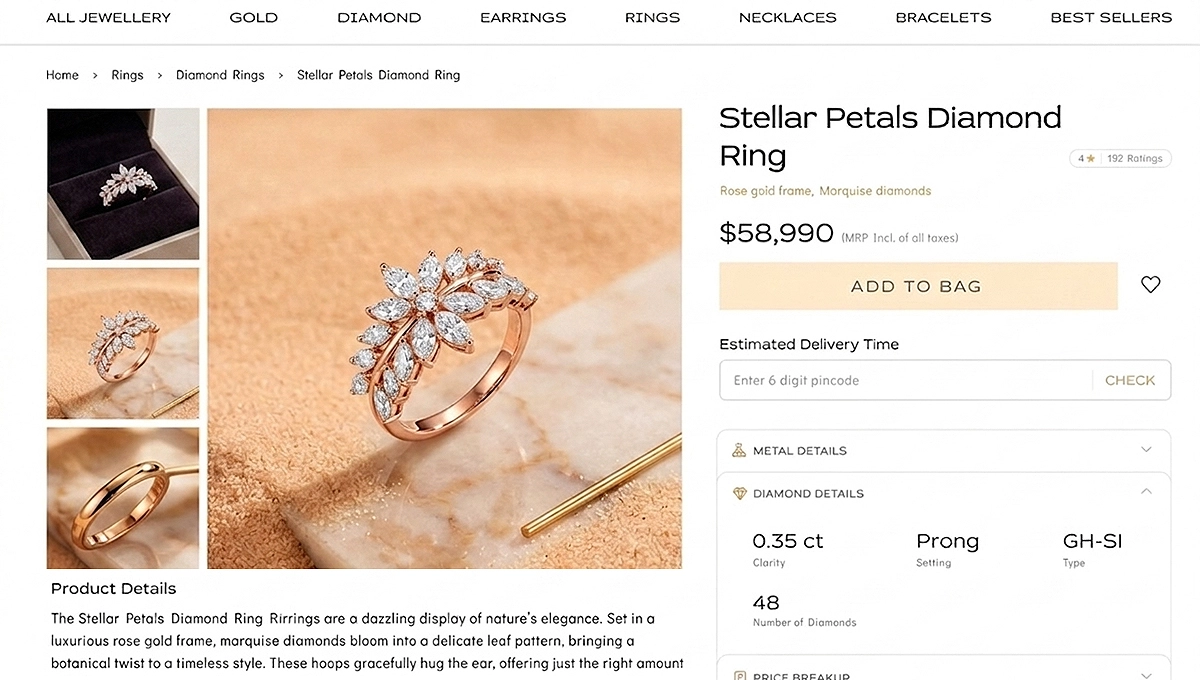
Marble’s sophisticated veining adds visual interest while maintaining an upscale aesthetic that complements fine jewelry. The natural patterns create depth without overwhelming your pieces, and the smooth surface reflects light beautifully.
White Carrara marble works universally with any jewelry style, while darker varieties like black Marquina create striking contrast for light-colored metals and diamonds. Consider the scale of veining relative to your jewelry size—subtle patterns work best for delicate pieces, while bold veining complements statement jewelry.
Use diffused lighting to prevent harsh reflections on the marble surface. Position the main light source at a slight angle to highlight both the marble’s texture and the jewelry’s details simultaneously.
- Fresh Flower and Botanical Elements
Seasonal flowers and greenery add organic beauty that softens jewelry’s hard edges while creating lifestyle appeal. This approach works particularly well for engagement rings, wedding jewelry, and romantic pieces.
Color coordination becomes essential for visual harmony. Pair warm-toned flowers like peach roses or golden marigolds with yellow gold jewelry, while cool-toned blooms like purple lavender or white peonies complement silver and platinum pieces. Consider gemstone colors when selecting flowers.
Keep botanicals fresh by misting lightly and working quickly. Remove any wilted petals or leaves that could distract from the jewelry. Use flowers as framing elements rather than overwhelming backgrounds, positioning them to guide the eye toward your main subject.
- Reflective Water Surfaces
Controlled water reflections create ethereal, romantic imagery that works beautifully for fine jewelry marketing. This technique requires careful setup but produces striking results that stand out in crowded marketplaces.
Use shallow dishes or specialized photography water trays to maintain control. Start with still water to create perfect reflections, then experiment with gentle ripples for dynamic movement. Protect the jewelry with clear fishing line or thin wire for suspension above the water surface.
Position lighting carefully to illuminate both the jewelry and its reflection without creating harsh glare on the water surface. Side lighting often works better than overhead placement for this technique.
- Geometric Paper Backdrops
Modern paper sculptures and origami elements create contemporary, artistic backgrounds that appeal to younger demographics. This budget-friendly approach offers unlimited customization possibilities.
Fold crisp paper into geometric shapes that complement the jewelry’s design elements. Angular folds work well with contemporary pieces, while curved forms suit organic or vintage styles. Use high-quality cardstock or specialty papers that photograph well without showing creases or imperfections.
Lifestyle and Contextual Jewelry Photography Ideas (Ideas 6-10)
- Hand and Body Modeling Shots
Lifestyle modeling shows jewelry in context, helping customers visualize how pieces look when worn. This approach humanizes the products and creates emotional connections with potential buyers.
Choose hand models with well-maintained nails and skin that photographs beautifully. Consider diversity in skin tones to represent the customer base accurately. Position hands naturally. Forced or awkward poses immediately appear artificial and unprofessional.
Lighting becomes more complex when photographing people wearing jewelry. Ensure even illumination across both skin tones and metal surfaces. Avoid harsh shadows under rings or necklaces, and watch for reflections that might distort jewelry appearance.
- Vintage Props and Antique Settings
Antique books, vintage mirrors, ornate boxes, and period furniture create storytelling opportunities that enhance jewelry’s perceived value and craftsmanship. This approach works particularly well for estate jewelry, vintage pieces, or contemporary designs with classical influences.
Balance prop prominence carefully. Accessories should enhance rather than overshadow the jewelry. Use props to create depth and context while ensuring the jewelry remains the clear focal point. Patina and wear on vintage items add authenticity but shouldn’t distract from product details.
- Modern Minimalist Scenes
Clean, contemporary setups highlight jewelry craftsmanship through simplicity and negative space. This approach appeals to modern consumers who prefer uncluttered aesthetics and lets product quality speak for itself.
Use geometric shapes, clean lines, and monochromatic color schemes to create sophisticated imagery that feels current and fresh. White or light gray backgrounds work universally, while selective color accents can highlight specific design elements.
- Seasonal and Holiday Themes
Seasonal photography creates timely marketing opportunities that align with customer shopping patterns. Holiday-themed imagery drives gift purchases during peak shopping seasons.
Plan seasonal shoots well in advance to build inventory for marketing campaigns. Spring flowers complement engagement rings, autumn leaves enhance warm-toned metals, winter elements suit holiday gift presentations, and summer themes work well for casual jewelry lines.
Avoid overwhelming seasonal elements that might limit image usability. Subtle seasonal touches often work better than obvious holiday decorations, allowing images to remain relevant for longer periods.
- Workspace and Studio Behind-the-Scenes
Behind-the-scenes photography showcases craftsmanship and tells the brand story authentically. This approach builds trust by revealing the skill and care behind the jewelry creation process.
Capture genuine working moments rather than staged scenes. Show tools, work surfaces, and creation processes that highlight the expertise and attention to detail. Include both wide shots of the workspace and close-ups of detailed work.
Lighting workshop environments requires balancing existing lighting with supplemental sources. Maintain authentic atmosphere while ensuring jewelry details remain clearly visible and accurately colored.
Advanced Creative Techniques (Ideas 11-15)
- Macro Detail Photography
Extreme close-up photography reveals intricate details that differentiate quality jewelry from mass-produced pieces. Macro techniques showcase stone cuts, metal textures, and craftsmanship elements that justify premium pricing.
Invest in true macro lenses or extension tubes for genuine 1:1 reproduction ratios. Standard lenses with “macro” settings rarely provide sufficient magnification for detailed jewelry work. Focus stacking techniques combine multiple images shot at slightly different focus points to achieve front-to-back sharpness impossible with single exposures.
Use diffused lighting to prevent harsh shadows in detailed areas. Ring lights or specialized macro lighting systems provide even illumination that reveals texture without creating unwanted reflections or hot spots.
- Light Painting and Creative Illumination
LED light painting creates dramatic, artistic effects that showcase jewelry’s reflective qualities beautifully. This advanced technique produces unique imagery that stands out in competitive markets.
Use small LED lights or laser pointers to selectively illuminate specific areas during long exposures. Colored gels add creative possibilities—warm gold tones enhance yellow metals, while cool blues complement silver and platinum pieces.
- Reflection and Mirror Play
Strategic mirror placement creates multiple perspectives and dynamic compositions that showcase jewelry from various angles simultaneously. This technique works particularly well for pieces with interesting profile views or back details.
Position mirrors at specific angles to create intentional reflections rather than random multiplications. Consider mirror size relative to the jewelry. Large mirrors can overwhelm small pieces, while appropriately sized reflections enhance without dominating.
Control lighting carefully to prevent unwanted reflections or glare on mirror surfaces. Sometimes slightly angling mirrors off-parallel creates more interesting compositions than perfect parallel placement.
- Levitation and Suspended Jewelry Shots
Suspended jewelry creates magical, floating effects that capture attention and suggest luxury and uniqueness. This technique works especially well for earrings, pendants, and lightweight pieces.
Use clear fishing line, thin wire, or specialized jewelry suspension tools to support pieces during photography. Position suspension points strategically to maintain balance while keeping support materials out of frame or easily removable in post-processing.
Plan suspension carefully to prevent jewelry damage. Test setups with less valuable pieces before working with expensive items, and have soft surfaces below suspended jewelry to catch any accidental drops.
- Multiple Exposure and Composite Images
Multiple exposure techniques combine several images to show jewelry collections, different angles, or creative artistic effects. This approach works well for showing jewelry sets or demonstrating versatility.
Plan compositions carefully before shooting to ensure individual exposures align properly. Use consistent lighting and positioning for cohesive final results. Some cameras offer in-camera multiple exposure modes, while post-processing software provides more control over final appearances.
Budget-Friendly DIY Solutions (Ideas 16-20)
- Smartphone Photography Setups
Modern smartphones produce surprisingly high-quality jewelry images when used with proper techniques and accessories. This approach makes professional-looking photography accessible to any budget level.
Invest in smartphone-specific macro lenses and stabilization accessories. Clip-on macro lenses provide close-focusing capabilities, while small tripods designed for phones eliminate camera shake. LED ring lights designed for smartphone use provide even, shadow-free illumination.
Use the phone’s manual camera controls when available, adjusting focus, exposure, and white balance for optimal results. Many phones offer specialized macro or portrait modes that work well for jewelry photography.
- DIY Light Boxes and Diffusers
Homemade light boxes cost a fraction of commercial versions while providing professional results. Basic materials from craft stores create effective diffusion systems for small jewelry pieces.
Build light boxes using white cardboard, tissue paper, and desk lamps. Cut windows in cardboard boxes, cover with white tissue paper or shower curtains for diffusion, and position lights outside the diffusion material. This creates soft, even lighting that minimizes harsh shadows and reflections.
Size your light box appropriately for your jewelry. Larger boxes work better for multiple pieces or lifestyle shots, while smaller boxes provide more concentrated lighting for individual pieces.
- Household Items as Props
Common household objects often make excellent photography props when chosen thoughtfully. This approach reduces costs while maintaining professional appearance.
Consider texture, color, and scale when selecting household props. White plates can substitute for expensive seamless backgrounds, textured towels create interesting surfaces, and mirrors add reflective elements. Clean items thoroughly and consider how they’ll photograph under your lighting setup.
Avoid props with obvious brand markings or distracting patterns that compete with your jewelry. Simple, elegant household items often work better than elaborate decorative pieces.
- Natural Light Window Setups
North-facing windows provide consistent, soft natural light perfect for jewelry photography without requiring expensive lighting equipment. This free light source works beautifully for many jewelry photography needs.
Position jewelry near windows during optimal lighting hours, typically mid-morning to early afternoon. Use white poster board or foam core as reflectors to fill in shadows and create even illumination. Sheer curtains can diffuse harsh direct sunlight when necessary.
Plan backup options for cloudy days or inconsistent weather. Having basic artificial lighting available ensures you can maintain shooting schedules regardless of natural light conditions.
- Paper and Cardboard Creative Backdrops
Craft papers and cardboard provide unlimited background possibilities at minimal cost. This approach allows extensive experimentation with colors, textures, and patterns.
Create texture through folding, cutting, or layering different papers. Scoring cardboard creates geometric patterns, while layered tissue papers produce subtle color variations. Consider how different papers photograph under the lighting setup—some create unwanted reflections while others diffuse light beautifully.
Build a collection of papers in various colors and textures to match different jewelry styles and seasonal themes. Store papers flat to prevent creases that show in photographs.
Post-Processing and Retouching Tips
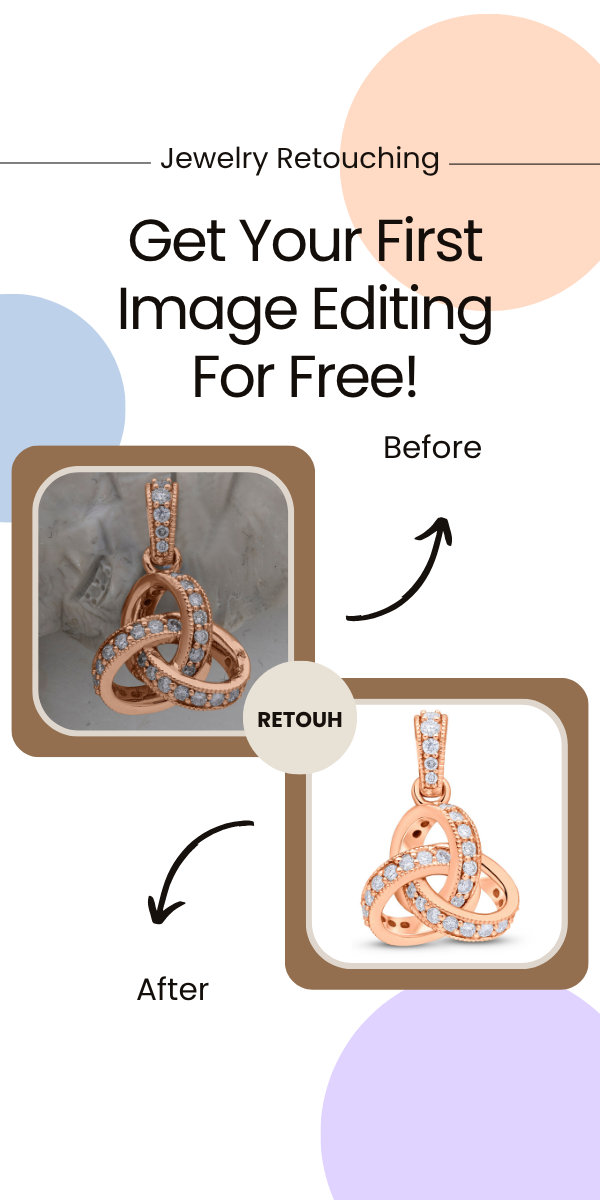
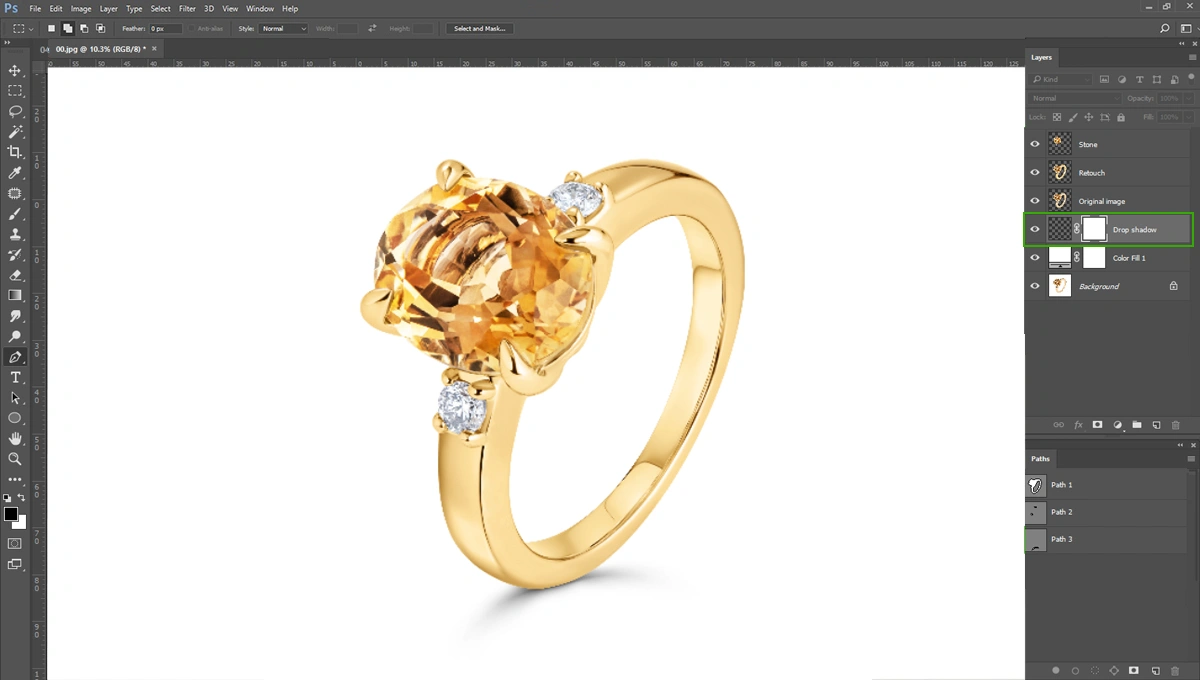
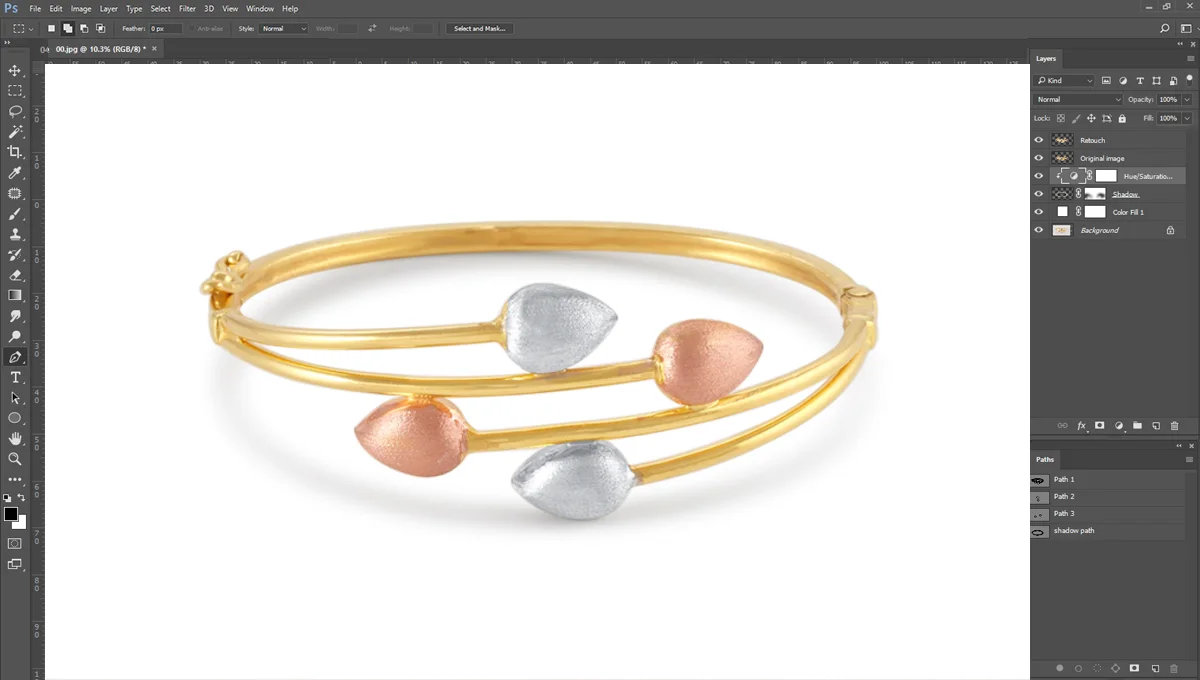
Digital editing transforms good jewelry photographs into exceptional marketing materials. Basic post-processing (jewelry retouching) skills can dramatically improve image quality and consistency across your product catalog.
Color accuracy becomes critical for jewelry photography. Use color correction tools to ensure metals appear in their true colors and gemstones maintain accurate hues. Custom white balance during shooting helps, but fine-tuning in post-processing ensures perfect color representation.
Sharpening and clarity adjustments enhance jewelry details without creating artificial appearances. Apply sharpening selectively to jewelry while maintaining natural appearance in backgrounds and props. Batch processing saves time when editing multiple similar images from the same shoot.
Transform The Jewelry Business with Stunning Photography
These 20 jewelry photography ideas provide a comprehensive foundation for creating compelling product imagery that drives sales and builds brand recognition. The most impactful approaches often combine multiple techniques—using textured backgrounds with strategic lighting, or incorporating lifestyle elements with macro detail shots.
Creative jewelry photography ideas directly impact your bottom line by making products more appealing and helping customers envision owning and wearing your pieces. Invest time in developing your photography skills—the improvement in sales conversions and brand perception will justify every hour spent perfecting your technique.