
You just came across a website and saw photos that made you immediately want to buy a product, book a flight, or try a new dish? That’s the magic of commercial photography.
Commercial photography is photography that is created with a specific goal (promoting or selling a product, service, or brand).
This photography serves a clear business purpose. It’s designed to influence purchasing decisions and build brand awareness.
This type of photography we see every day and everywhere. If you are using social media, you can see styled burgers on a McDonald’s billboard to the aspirational lifestyle shots on Instagram ads. Commercial photographers shot these photos. This photography shapes how we interact with brands. It appears on product packaging, websites, social media campaigns, and marketing materials across every industry.
We are a photo editing company, and we work with commercial photographers to manage their product photo editing. We talk a lot with photographers about how this industry is evolving and how it’s helping behind compelling visual marketing. In this blog, we’ll understand everything about commercial photography.
What is Commercial Photography, Really?
Commercial photography is not just regular photography. This photograph has a clear commercial purpose. Mean by its licensed for commercial use to help businesses achieve specific goals (promoting a product, service, or brand).
The fundamentals of commercial photography are intent and application.
You can think commercial photography is personal photography. But it’s not.
Personal photography always focuses on memories and artistic. But commercial photography is a strategic business tool. Every shot is carefully planned to increase sales, build brand awareness, attract customers, or communicate specific messages to target audiences.
Commercial photography involves understanding licensing and usage rights. It’s not just about being paid for taking photos. They’re compensated for granting businesses the right to use their images for specific purposes. This licensing model forms the economic foundation of commercial photography.
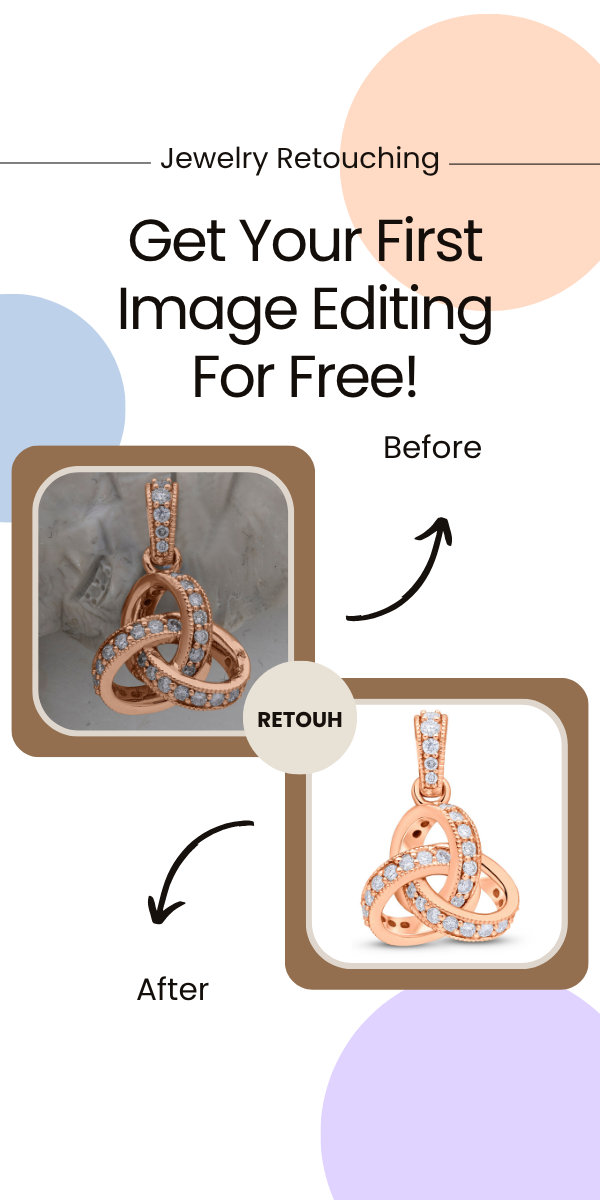
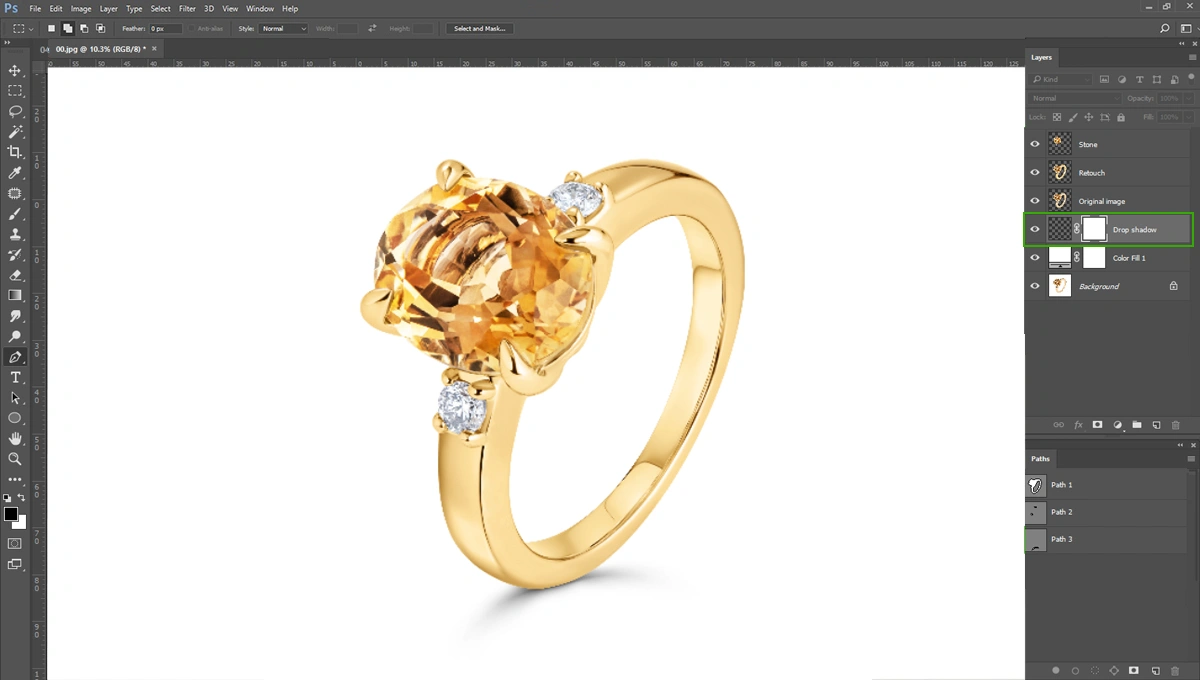
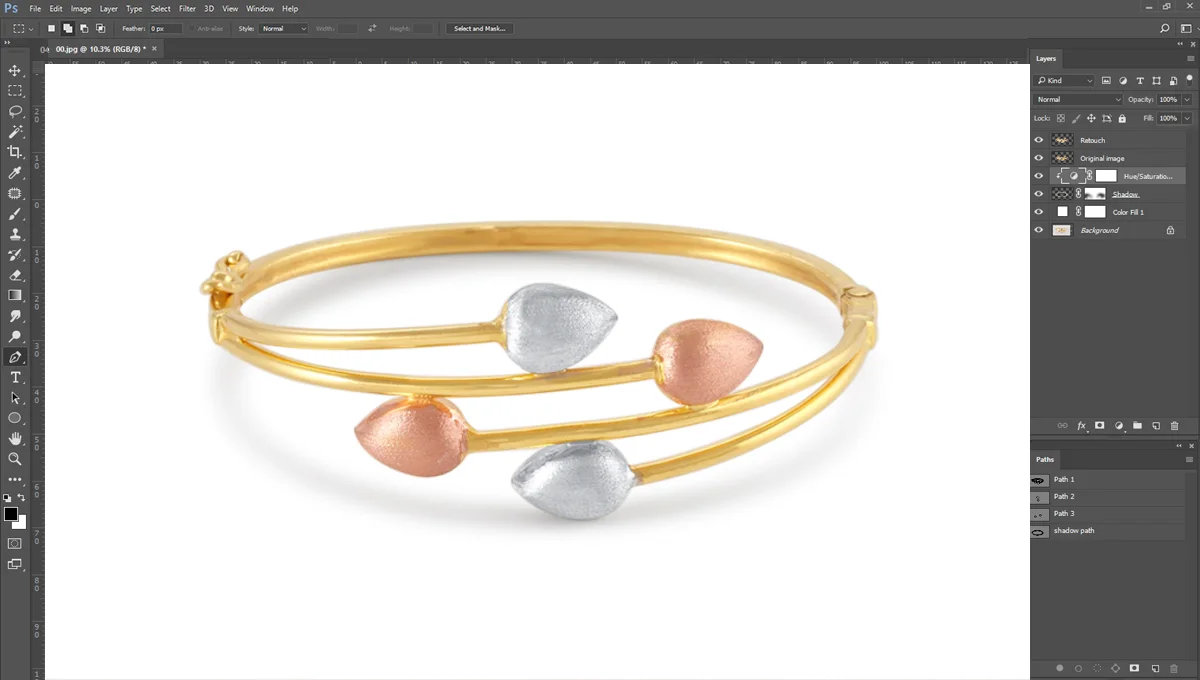
This photography role is not just technical expertise. Commercial photographers understand the marketing psychology, brand positioning, and consumer behavior. For example, we work with a jewelry photographer who took photos for jewelry brands. She understands what photos should look good on ads, billboards, etc. She helps to grow jewelry businesses through photography.
That’s why it’s become popular nowadays. Brands are looking for professional commercial photographers to grow their businesses.
The Evolution of Commercial Photography
Commercial photography started in the mid-19th century. Louis Daguerre was the first to introduce the daguerreotype in 1839. This revolutionary technology made it possible to capture permanent images. It made new possibilities for business promotion.
Early Development and Industry Transformation
In the early days, commercial photographers used to photoshoot of portraits and business advertising solutions. By the late 19th century, this photography had begun to shape. It enters many industries like fashion, journalism, and product promotion. It started to help businesses to show rather than just describe their offerings.
Photography studios became centers of commercial activity. Skilled photographer worked with businesses to conduct photo shoots for their advertisements and promotional materials. This period established many foundational principles of commercial photography that are still relevant today.
Modern Era and AI Integration
Nowadays, commercial photography has become more efficient. The digital revolution in workflows, photo editing, and many more. However, the most significant recent development has been the integration of artificial intelligence into commercial photography.
AI-powered tools now enable:
- Automated photo editing and color correction
- Generation of hyper-realistic images without traditional photoshoots
- Creation of new scenes by combining existing elements
- Automated background removal and product isolation
These technological advancements smooth out so many workflows, which can reduce costs in significant projects. However, they also raise important questions about originality, authenticity, and the role of human creativity in commercial imagery.
Many commercial photographers use AI tools to manage their daily work. Most of our photographer clients use AI tools nowadays. However, they maintain the creative product photography vision and client relationship manually.
There are some photographer who thinks commercial and editorial photography are the same. But trust me, it’s not. There are many differences between commercial and editorial photography. Let’s understand it.
Commercial vs. Editorial Photography: What’s the Difference?
Editorial photography is a type of photography that is used to illustrate stories or concepts in magazines, newspapers, books, or online articles. It looks similar to commercial photography. But it’s not. These two categories serve distinct purposes and operate under different creative constraints.
| Aspect | Commercial Photography | Editorial Photography |
|
|
|
|
|
|
|
|
|
|
|
|
|
|
|
|
|
|
Commercial Photography Characteristics
Commercial photography is inherently persuasive. Every element (lighting, composition, style, and Image post-production) of this photography is designed to present the products or services. While doing the photoshoot, the photographer keeps in mind the brand’s guidelines. Brands are maintaining the creative control to ensure final images align perfectly with their marketing objectives and message.
Editorial Photography Focus
But on the other hand, editorial photography prioritizes storytelling and information over sales. These images accompany text to illustrate news stories, feature articles, or documentary pieces. Editorial photographers enjoy greater creative freedom. They focus on capturing authentic moments and realistic representations rather than idealized commercial presentations.
This difference affects legal considerations, pricing structures, and creative approaches. It’s important for photographers to clearly understand which category their work falls into.
If you are confused about whether my photography falls into the commercial photography category? Let’s understand the types of commercial photography.
Exploring the Types of Commercial Photography
There are many commercial photography genres, and each type requires specific technical skills, creative approaches, and industry knowledge. These types help photographers identify their niche and which category of photographer they are. Here are some commercial photography types-
Product Photography
Product photography focuses on showcasing jewelry, gadgets, furniture, or home décor in the most appealing way possible. This specialization forms the backbone of e-commerce and retail marketing.
E-commerce Photography: Clean, consistent images typically shot against white backgrounds for online stores. These images prioritize clarity and accuracy, allowing customers to examine products in detail.
Lifestyle Product Photography: Shows products in real-world contexts. It’s helping customers envision how items fit into their lives. A kitchen appliance might be photographed in a beautiful, well-appointed kitchen rather than on a sterile white background.
Hero Shots: Dramatic, eye-catching product images used for advertising campaigns and marketing materials. These images often employ creative lighting and composition to make products appear aspirational and desirable.
Fashion Photography
Fashion photography sells clothing, accessories, and lifestyle aspirations. This field requires strong collaboration with stylists, models, and creative directors.
Catalog Photography: Straightforward images showcasing clothing and accessories for retail purposes. These shots prioritize clear product visibility while maintaining aesthetic appeal.
High Fashion Photography: Artistic and conceptual images often used in magazines and luxury brand campaigns. These photos emphasize creativity and artistic vision alongside product presentation.
Street Style Photography: Captures fashion in authentic, everyday contexts. This style has gained prominence with the rise of social media and influencer marketing.
Food Photography
Food photographers work with restaurants to make their food photos amazing. This photography field requires understanding food styling, lighting techniques, and the psychology of appetite appeal.
Food photographers often work closely with food stylists who prepare and arrange dishes for optimal presentation. In this photography, there are some technical challenges. Often manage the steam, preventing food from wilting under hot lights, and capturing textures that convey taste and freshness. It causes some photoshoot delay, but the final photos look beautiful.
Real Estate and Architectural Photography
Real estate photography showcases properties to attract potential buyers or renters. This specialization requires technical skills to capture space, light, and architectural features effectively.
Interior Photography: Emphasizes spatial flow, natural light, and design elements that make spaces feel welcoming and valuable.
Exterior Photography: Captures curb appeal and property context, often including landscaping and neighborhood features.
Drone Photography: Provides aerial perspectives that showcase property boundaries, surrounding areas, and unique features not visible from ground level.
Advertising Photography
Advertising photography creates eye-catching images for marketing campaigns. This photography field often overlaps with other commercial photography. But it’s distinguished by its narrative and emotional focus.
Mostly, advertising photographers develop concepts specific to emotions or ideas connected to brands. These images must work within broader marketing campaigns, supporting messaging strategies and target audience preferences.
Corporate and Lifestyle Photography
Corporate photography captures the human side of businesses, including headshots, team photos, and workplace culture imagery used on websites and in corporate communications.
This specialization requires interpersonal skills to make subjects feel comfortable and natural, while also understanding how to represent companies professionally and authentically.
Automotive Photography
Automotive photography specializes in capture photos of cars and other vehicles. This photography style requires expertise in managing reflections and motion blur. This type of photography focuses on dramatic lighting to make vehicles appear powerful and desirable.
Automotive photographers often work in specialized studios or dramatic outdoor locations, using advanced lighting techniques to highlight vehicle design and engineering details.
The Essential Skills of a Top Commercial Photographer
There are many essential skills required to become a top commercial photographer. A top photographer knows about technical expertise, business acumen, and creative vision. If you wanted to be a top photographer, these are the skills you need to achieve-
Technical Strength
- Commercial photographers must understand camera settings, lens selection, and lighting techniques for various situations. This includes studio lighting setups, natural light management, and mixed lighting scenarios.
- Proficiency in Adobe Photoshop, Lightroom, and other editing software is essential. Commercial work often requires extensive retouching, color correction, and composite creation.
- Understanding specialized equipment for different commercial photography types, from macro lenses for product work to tethering systems for client review during shoots.
Business Acumen
- Commercial photographers must comprehend how images function within broader marketing strategies and brand positioning efforts.
- Skills in negotiating usage rights, photography pricing, calculator licensing fees, and structuring contracts that protect both the photographer’s interests and the client’s needs.
- Ability to coordinate complex shoots involving multiple stakeholders, manage timelines, and deliver results that meet client specifications and deadlines.
Communication and Collaboration
- Translating client briefs into compelling visual concepts while managing expectations and providing creative guidance.
- Working effectively with art directors, stylists, models, assistants, and other creative professionals to execute complex commercial projects.
- Adapting to unexpected challenges during shoots, from technical equipment failures to weather changes and last-minute creative adjustments.
Creativity and Innovation
- Creating unique visual approaches that help brands stand out in competitive markets.
- Staying current with visual trends, consumer preferences, and emerging technologies that impact commercial photography.
- Balancing commercial objectives with creative expression to produce images that are both effective and visually compelling.
Why Every Business Needs Commercial Photography
Everyone thinks that in the era of AI, brands don’t need commercial photography. But professional photography provides measurable benefits that directly impact business success across multiple metrics. AI still hasn’t provided it. One major thing to understand is that AI is not here to replace any photographer. It’s helping photographers to smooth their workflow. Here are some benefits that brands can consider.
Builds Strong Brand Identity: Consistent, high-quality imagery defines how target audiences perceive brands. Professional photography ensures visual consistency across all marketing (websites and social media to print advertising and packaging) touch points.
Drives Sales Performance: Compelling product photography significantly influences purchasing decisions. Studies show that high-quality product images can increase online sales conversion rates by up to 30%. It’s helping direct revenue generator rather than just a marketing expense.
Digital Marketing Effectiveness: Professional photos perform better across digital platforms. Social media posts with professional imagery receive higher engagement rates, while websites with quality photography experience longer visitor sessions and lower bounce rates.
Establishes Credibility and Trust: Professional visuals communicate business credibility to potential customers. Companies with professional photography appear more established and trustworthy, which is particularly important for new businesses building market reputation.
Supports Content Marketing: Quality commercial photography provides versatile assets for ongoing marketing efforts, from blog posts and email campaigns to advertising and promotional materials.
Master Your Commercial Photography Career
If you are thinking of starting your career as a photographer, then commercial photography will be a great choice. Commercial photography represents a correlation with artistic skill and business strategy. This field offers photographers the opportunity to combine creative vision with measurable business impact.
The commercial photography industry opens significant career opportunities. In the era of modern world, everyone uses digital media. Brands need their product photos on digital media (website, social media, ads, etc.). But a successful photography career requires both technical and business acumen.
If you are consistently delivering images that meet specific business goals, it’ll reward you. Specialized in photography types (fashion, food, or any other commercial), your career will be profitable.
If you are a professional photographer looking for a photo editing company that can deliver the ultimate result. We are here to help you. We have 12+ years of experience working with various products, commercial photographers and studios. Don’t hesitate to reach out for expert photo editing services that will elevate your commercial work and help your clients achieve their marketing goals.
Frequently Asked Questions About Commercial Photography
What is the difference between photography and commercial photography?
Photography is a broad term. It includes all image-making activities. From personal family photos to artistic expression. Commercial photography specifically refers to images created for business promotion, advertising, or marketing purposes.
What is not commercial photography?
Commercial photography is not personal photography (family events, travel photos), photojournalism covering news events, fine art photography created for galleries or personal expression, and documentary photography that captures reality without promotional intent. These types aren’t considered commercial photography.
What is an example of a commercial photo?
A Nike sneaker photographed for a billboard advertisement, a professionally shot burger image for a McDonald’s menu, or a lifestyle shot of a family using a product on a company’s website are all examples of commercial photography.
What are the types of commercial photography?
The main types include product photography, fashion photography (clothing and lifestyle), food photography, real estate photography, advertising photography, corporate photography, and automotive photography.